The conversation about flowers in Thailand rarely ends quickly. Each blossom carries a story, a cultural echo, and a quiet lesson about life. Locals don’t just see petals and stems; they see messages stitched into color and fragrance.
Take the lotus. It grows in muddy ponds, yet rises above the surface untouched, radiant, serene. That image alone explains why it has become a spiritual emblem. People often associate it with purity and resilience. A monk once joked that humans are not much different—surrounded by mess, yet with the chance to grow above it.
Then there’s the jasmine. Delicate, small, but with a fragrance that fills entire courtyards. In Thai households, jasmine often stands for motherly love. It’s given during special occasions as a sign of respect and gratitude. A single strand of jasmine garland can speak louder than a long speech, and many families know this by heart.
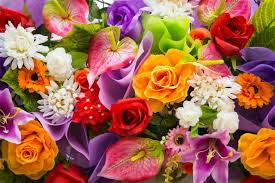
Marigolds carry another kind of meaning. Their golden yellow petals are often linked with wealth, prosperity, and even remembrance. You’ll see them at festivals, temples, and on street-side shrines. Some folks believe planting marigolds near a home will invite fortune. Whether you’re superstitious or skeptical, it’s hard to ignore how bright they look against the green of Thai gardens.
Orchids, meanwhile, sit in a different corner of symbolism. They’re admired for elegance and strength. A common gift in both formal and personal settings, orchids whisper admiration without the need for words. Their long-lasting nature also makes them symbols of perseverance, which explains why they are exchanged in moments that call for encouragement.
And don’t forget frangipani. With its sweet scent and star-like petals, it’s tied to immortality in some local traditions. Walk near temples and you’ll often find frangipani trees dropping their blossoms like little reminders that beauty doesn’t always cling—it falls, yet stays memorable.